Let Sunlight Transform Small City Homes
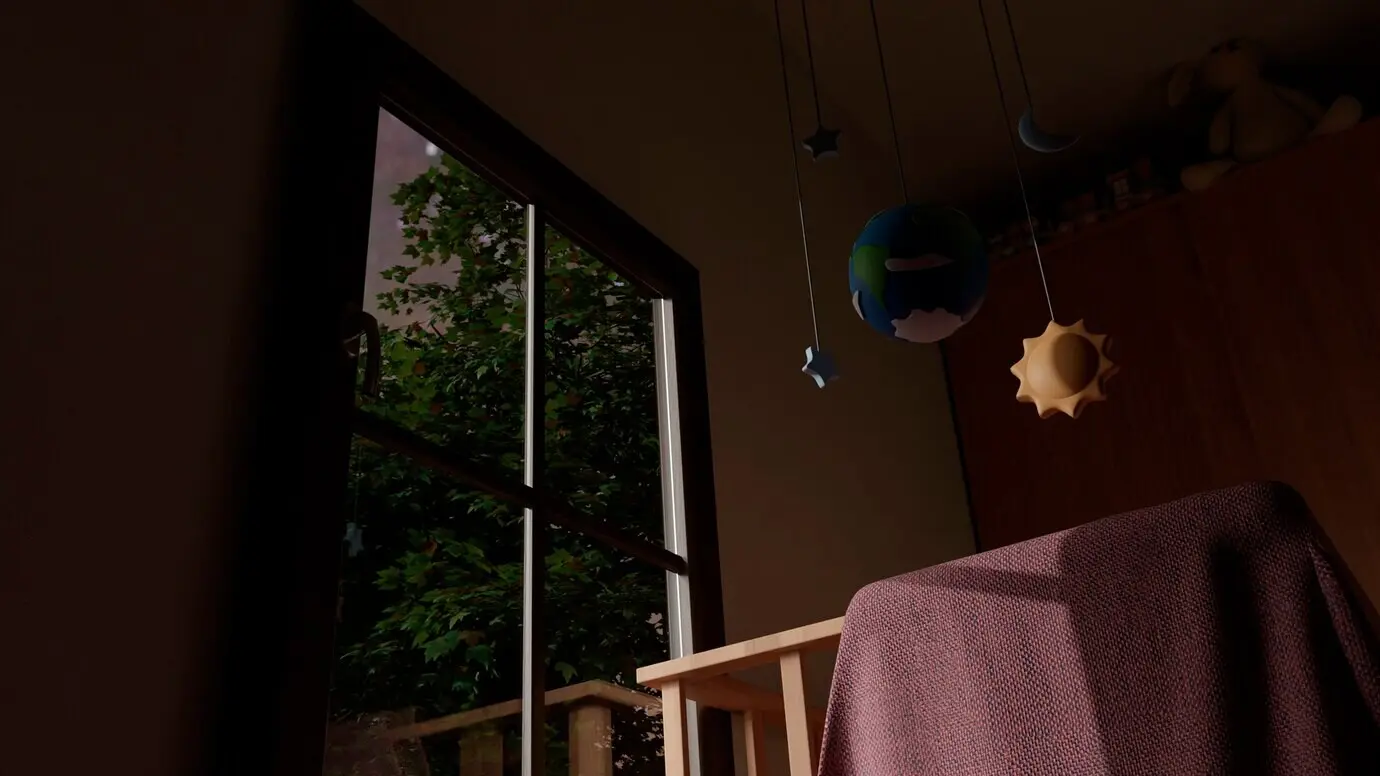
Mapping the Sun’s Path at Your Address

Reading Sky Types and Urban Reflections
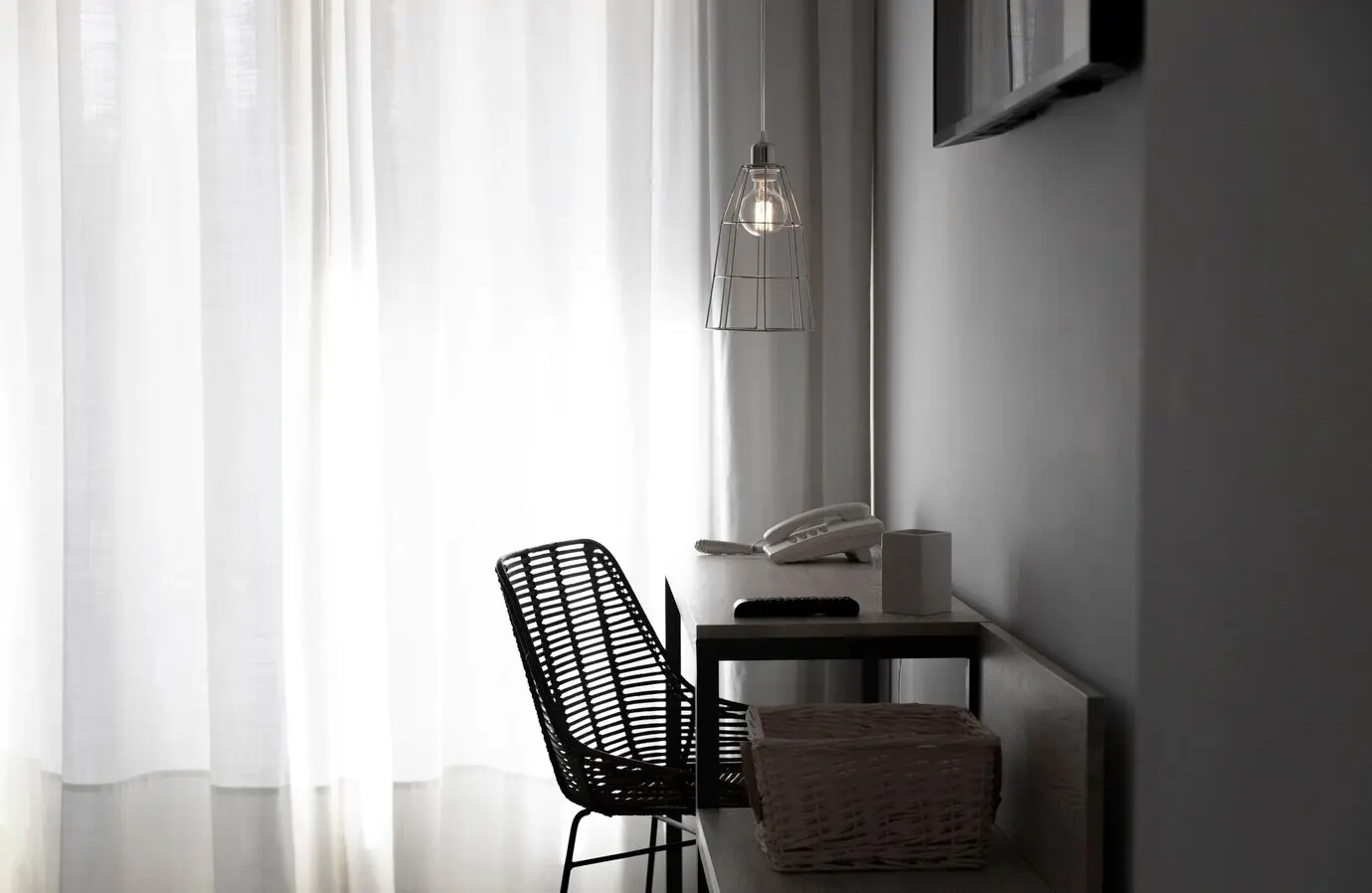
Knowing Your Apartment’s Light Budget

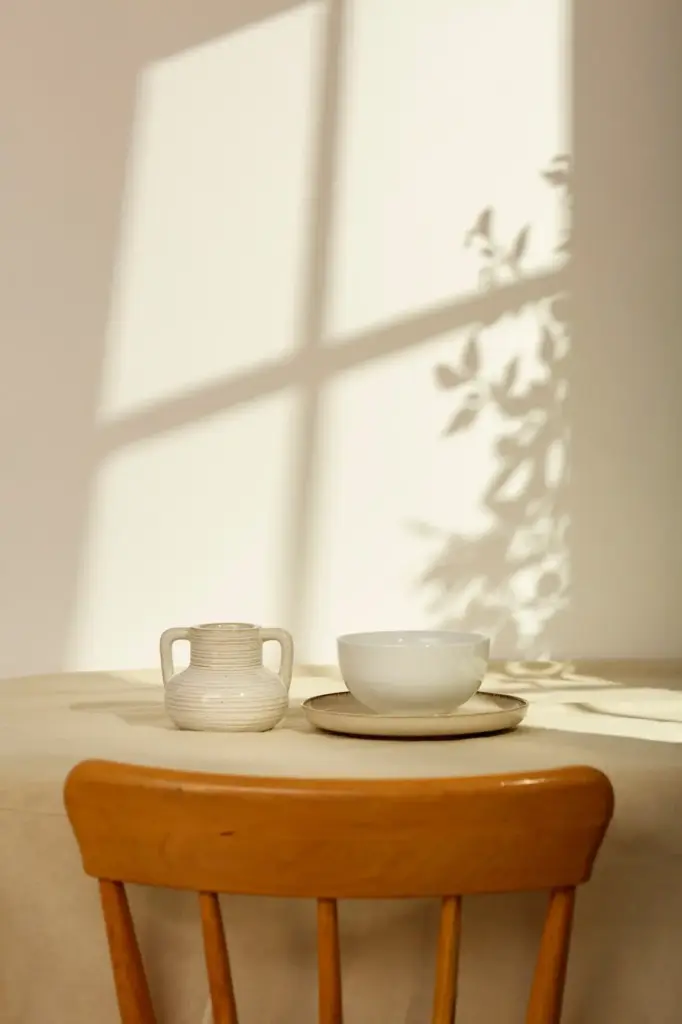

Surfaces, Colors, and Materials that Bounce Brilliance
Choosing High-LRV Palettes Without Sterility
Start with a near-white base that flatters natural light rather than fighting it—think soft ivory, warm linen, or cool chalk. Introduce whisper-light tints of sage, clay, or mist to nudge mood. Aim for contrast through texture, not heavy darkness. Use color thoughtfully on anchor pieces to add personality, allowing peripheral surfaces to keep light traveling. Test swatches at different times of day; urban skies shift color in surprisingly meaningful ways.
Smart Sheens and Textures
Matte hides imperfections but absorbs light; eggshell and satin subtly lift reflectance while keeping walls elegant. Semi-gloss on trim turns baseboards and casings into discreet light rails. Mix smooth with tactile—bouclé, linen, ribbed glass—to scatter glare into pleasant glow. Metallic hints in picture frames or lamp bases extend brightness without bling. These choices work together like an acoustic orchestra, taming harsh notes and harmonizing the overall visual acoustics of your rooms.
Windows, Treatments, and Optical Aids
Layered Window Treatments that Filter, Not Block
Begin with floor-to-ceiling sheers that diffuse harsh beams into workable daylight. Add slim blinds or shades for fine control, angling slats to bounce light upward while shielding eyes. Choose light fabrics with tight weaves for privacy without gloom. Mount treatments higher and wider to expose maximum glass. This layered approach adapts to seasons, preserves views, and prevents the on–off drama of bare windows versus blackout, keeping rooms consistently gentle and visually generous.
Mirrors and Prismatic Films as Quiet Amplifiers
Place mirrors where they reflect sky, not clutter, ideally adjacent to windows rather than directly opposite, avoiding glare tunnels. Prismatic films on upper panes bend light deeper into rooms, improving vertical illumination for tasks. Combine with pale, matte walls to scatter reflections warmly. These tools are inexpensive, renter-friendly, and reversible, making them ideal for experimenting. Track lux levels before and after to confirm boosts and refine angles with confidence, not guesswork.
DIY Light Shelf for Urban Windows
A slim, matte-white shelf mounted just above eye level on a sunny window can redirect beams onto the ceiling, spreading daylight further back. Use lightweight materials, ensure secure brackets, and keep depth modest to maintain views. Pair with a reflective ceiling paint for extra gain. This simple project reduces glare on desks, uplifts ambient levels in adjoining zones, and turns a small window into a surprisingly capable daylight distributor without major construction.
Case Stories from Real City Apartments
A Studio Above a Busy Avenue
A North-Facing One-Bedroom in a Courtyard
A Family of Three in a Railway Apartment
Measure, Maintain, and Evolve

All Rights Reserved.