


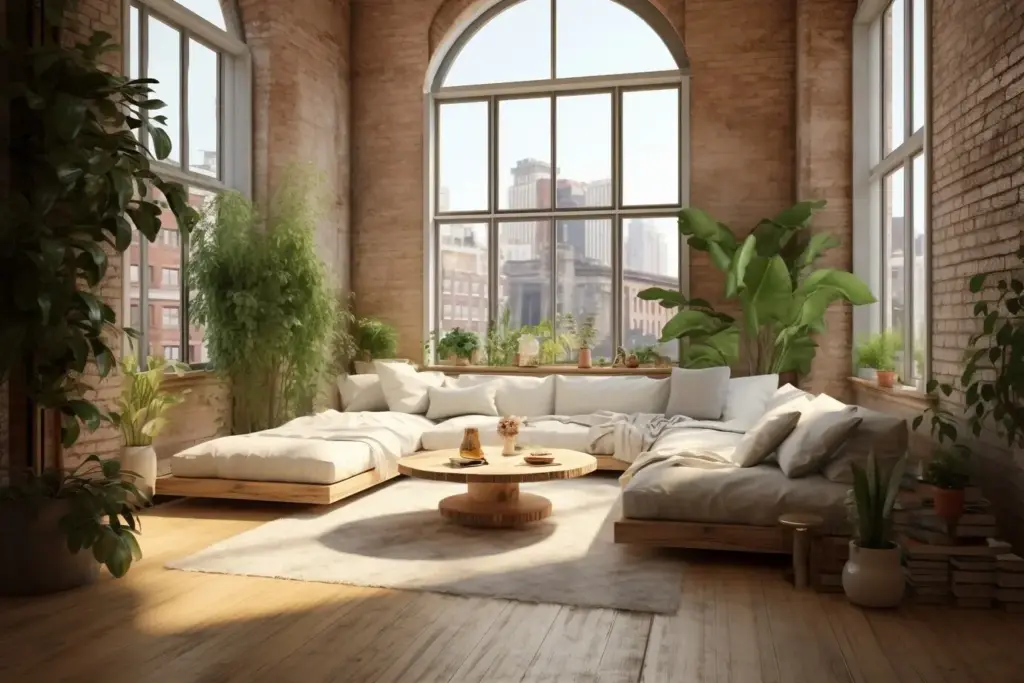
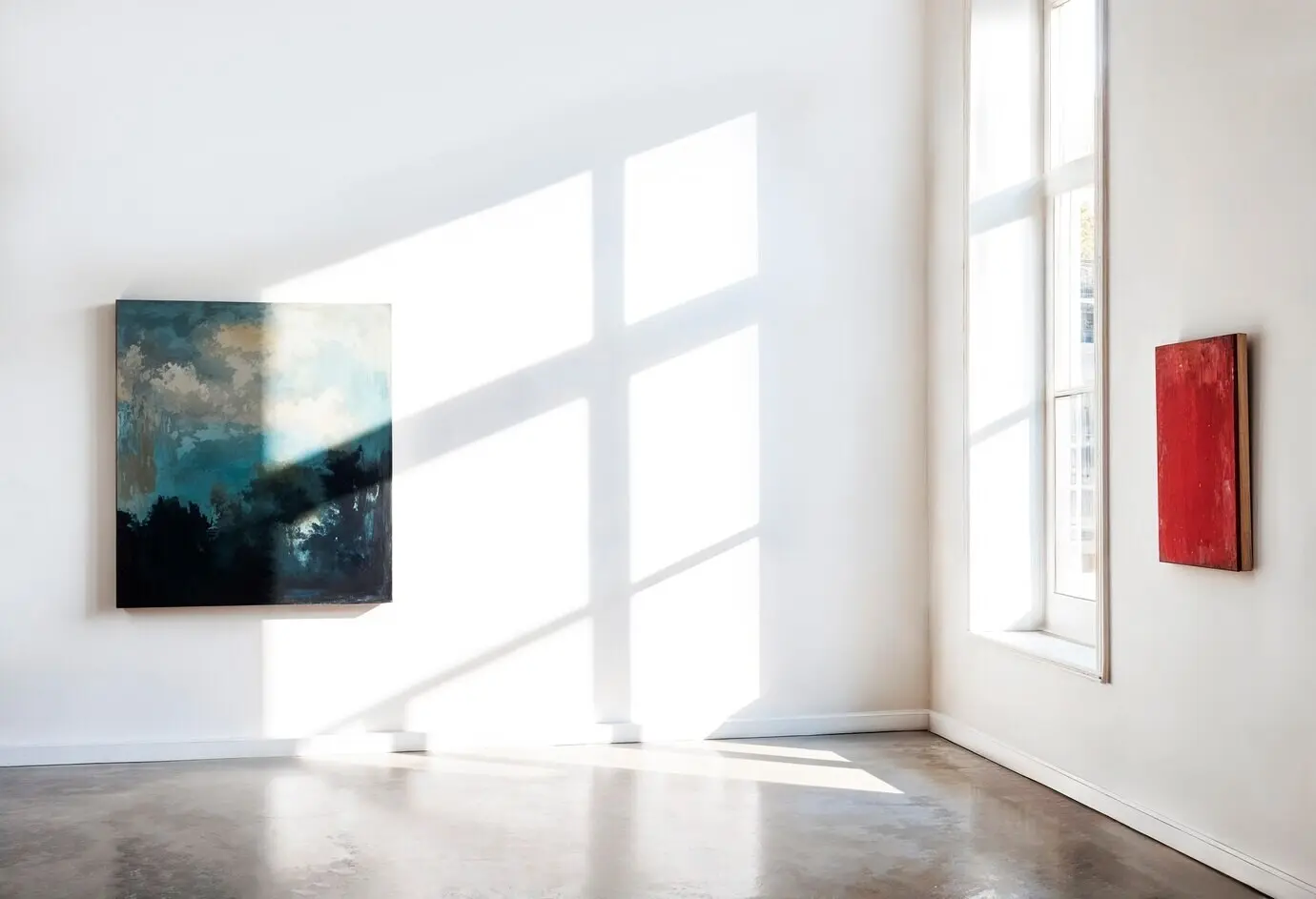
Brighter Rooms, Smarter Surfaces

Discover how using light-reflective materials and finishes to amplify natural light can transform your home. From paint sheen and glass accents to pale stone and polished woods, we explore strategies, stories, and science to boost daylight, reduce energy use, and create inviting, healthy interiors.

Decoding Light in Everyday Spaces

Natural light behaves like a living guest, changing mood from dawn to dusk and season to season. Understanding reflection, absorption, and diffusion empowers smarter decisions about surfaces. We break myths, share quick tests, and invite your questions to tailor guidance to your exact rooms.

Why Reflectance Values Matter

Light reflectance value, often shown as LRV on paint and product specs, estimates how much visible light a surface returns to a room. Choosing higher numbers strategically can brighten corners, balance contrast, and trim electricity use without sacrificing warmth, texture, or character.

How Sun Paths Shape Choices

The sun’s angle, orientation, and seasonal arc dramatically influence which surfaces should gleam and which should soften glare. South exposure often welcomes subtle sheen; north rooms benefit from higher reflectance. Map sunlight for a week, then fine-tune finishes with confidence and measurable results.

Balancing Glare and Comfort

Mirrors, metal, and glossy coatings can bounce daylight beautifully, yet without planning they may cause sharp highlights and fatigue. Combine reflective planes with matte diffusers, textured fabrics, and strategic angles to preserve sparkle while protecting eyes, work tasks, and relaxed conversations.

Walls, Ceilings, and the Power of Finish

Vertical and overhead planes are the biggest canvases for daylight performance. Small shifts in color value and sheen can amplify brightness dramatically. Learn how near-white neutrals, luminous ceilings, and softly reflective trims redistribute sunbeams, reduce hotspots, and make art, plants, and people look their best.

High-LRV Paints That Still Feel Warm

Many bright paints look clinical because undertones skew blue. Select creams with balanced red and yellow notes, or greiges with subtle green, keeping LRV above seventy. Pair with natural textures so rooms glow invitingly at noon and maintain honest color under evening bulbs.

Ceilings as Passive Light Panels

A lightly tinted, high-reflectance ceiling can act like a gentle skylight, bouncing light deeper into the plan. Consider 80 to 90 percent LRV, satin or matte to control glare, and crisp edges that frame walls, molding, and views with elegant, buoyant clarity.

Sheen Levels: Flat, Eggshell, Satin, Gloss

Sheen affects both reflection and maintenance. Flat diffuses beautifully but marks easily; eggshell hides minor flaws; satin adds a subtle sparkle; gloss becomes a mirror-like accent. Mix thoughtfully across surfaces to create depth, push daylight forward, and simplify cleaning in hardworking zones.

Floors, Rugs, and Underfoot Brightness

Although horizontal surfaces are lit obliquely, their area is vast, so their collective reflectance matters. Pale wood, terrazzo, or honed stone can bounce light without slipperiness. Add strategic rugs to control echo, manage glare, and guide movement while keeping the room perceptibly brighter.

01

Pale Woods with Matte Sealers

Ash, maple, or white oak finished with waterborne matte sealers maintain high reflectance while resisting scuffs. Avoid heavy ambering that dulls brightness over time. Layer natural fiber runners where traffic is highest, preserving visual lightness yet protecting boards from sand, pets, and chair legs.

02

Reflective Tiles and Safety

Porcelain or ceramic tiles with fine-grain textures can reflect ample light while keeping traction in kitchens and baths. Choose lighter grout to avoid visual grids stealing brightness. Test samples wet and dry near a window to judge glare, sparkle, and comfort through changing days.

03

Rugs as Soft Light Diffusers

Flatweave wool or cotton rugs in oatmeal, flax, and mist palettes diffuse reflections gracefully, preventing harsh sparkle from polished floors. Rotate seasonally to even wear and sun exposure. Invite readers to share favorite sources and we will compile a community shortlist with honest reviews.

Furnishings and Surfaces that Bounce Light

Moveable pieces double as optical tools when chosen wisely. Slim profiles, pale upholstery, and selective shine prevent rooms from feeling heavy. Thoughtfully placed metals, glass, and stone catch sunlight, extend it across walls, and animate evenings under modest lamp wattage and efficient bulbs.

Windows, Treatments, and Daylight Control

Openings set the stage, but finishes determine the encore. The right sheers, casings, and adjacent surfaces expand perceived window size without structural work. We share measuring tips, orientation-based advice, and real before‑and‑after insights to help you capture sky glow and spread it beautifully.

Sheers That Glow, Not Glare

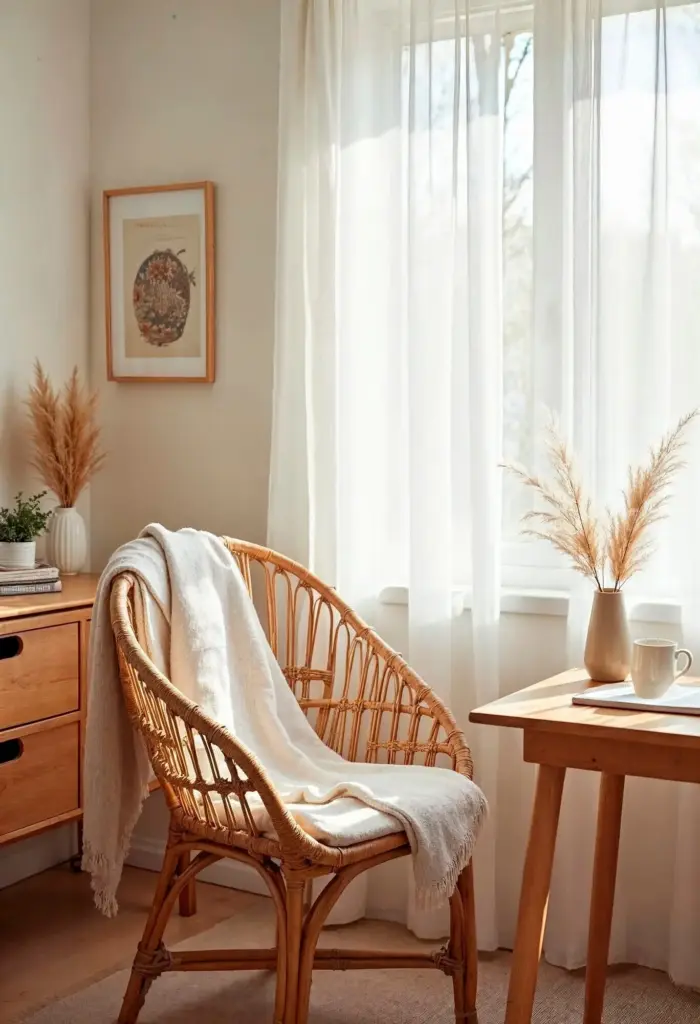
Look for woven translucency with matte yarns that scatter light while preserving views. Layer with room-darkening liners for nights, keeping daytime brightness intact. Install rods wide and high so panels clear the glazing, maximizing glass exposure and the gentle halo that follows.

Mirrors Positioned with Purpose

Rather than hanging mirrors randomly, aim them at bright but indirect sources: a window’s side wall, a pale ceiling, or a luminous stair. This sends light deeper without blinding. Share snapshots of your placements and measurements, and we will suggest refinements for peak effect.

Hardware and Casings That Help

Slim black or white frames, low-profile latches, and crisp casings minimize visual clutter around glass, letting sunlight command attention. Repainting sills in higher-LRV satin quietly lifts brightness. Add discreet shades to manage heat gain so rooms stay comfortable, efficient, and consistently radiant throughout the year.
Small-Space Strategies and Real-World Makeovers

{{SECTION_SUBTITLE}}

A North-Facing Studio Transformation

One reader’s studio felt perpetual twilight. We raised ceiling reflectance, chose warm high-LRV walls, added a pale jute rug, and placed a mirror to catch a side wash. Light levels rose significantly by meter, and the mood lifted immediately without adding fixtures.

Historic Home with Low Ceilings

A century-old dining room looked heavy due to dark trim and glossy walls. We flipped the equation: matte walls to diffuse, satin ceiling to bounce, and lighter wainscot. Candles and evening pendants now seem brighter, even though wattage stayed unchanged, saving energy gracefully.

Eco-Friendly High-Reflectance Options

Low-VOC paints with titanium dioxide deliver brightness, yet newer formulas use alternative pigments and recycled content to cut footprint. Choose certifications, read data sheets, and ask retailers for LRV numbers. Share your brand finds so our community database grows smarter, greener, and easier to navigate.

Cleaning Without Dulling the Finish

Harsh abrasives scratch microscopically, scattering light instead of returning it. Switch to soft cloths, pH-neutral cleaners, and gentle circular motions. Schedule quick monthly wipe-downs of reflective planes, tracking the difference with photos so others can learn from your process, products, and results.
Viropentolivodari
Privacy Overview

This website uses cookies so that we can provide you with the best user experience possible. Cookie information is stored in your browser and performs functions such as recognising you when you return to our website and helping our team to understand which sections of the website you find most interesting and useful.