

Light That Follows Climate and Craft

Today we explore climate-specific window orientation and shading for passive daylight, turning sun paths, seasons, and local weather into allies. By shaping openings, overhangs, fins, and light shelves to suit hot-arid, warm-humid, cold, and temperate regions, we invite bright interiors without glare or unwanted heat. Expect practical rules, small stories from field sites, and clear steps you can sketch today. Share your latitude and building type in the comments, subscribe for future studies, and let’s design daylight that feels effortless and humane.

Reading the Sun: Latitude, Season, and Sky

Great daylighting begins by understanding how the sun actually moves where you are. Latitude sets the solar altitude and azimuth; seasons tilt the table; sky conditions scatter or sharpen rays. A quick morning-and-afternoon site walk often reveals more than drawings. Map shadows, note reflections, and list times of discomfort. With this foundation, orientation choices stop being guesswork and start becoming confident, climate-aware decisions that consistently trade watts of cooling for a quiet, luminous calm.

Hot-Arid Strategies: Cool Shade, Clear Vision

Dry climates bring piercing light, big diurnal swings, and endless blue skies. The goal is fierce control outside the glass and generous softness inside the room. Favor east–west orientation, minimize west openings, and deploy deep overhangs, vertical fins, and high clerestories. Combine selective low-e glazing with light shelves and matte interiors that bounce glow, not heat. Night purge ventilation and heavy thermal mass complete a simple rhythm: cool nights stored, shaded days enjoyed, cooling bills tamed.

Taming the West

West sun is short, late, and punishing. Start by shrinking west windows, then add vertical fins tuned to block low angles without stealing views. Specify low solar heat gain glazing, ventilated cavities, and robust exterior finishes that shrug off dust. A clinic entry in a desert town gained comfort simply by moving seating away from glass and adding a perforated metal screen. The afternoon thermometer dropped, but more importantly, conversations lingered in newfound shade.
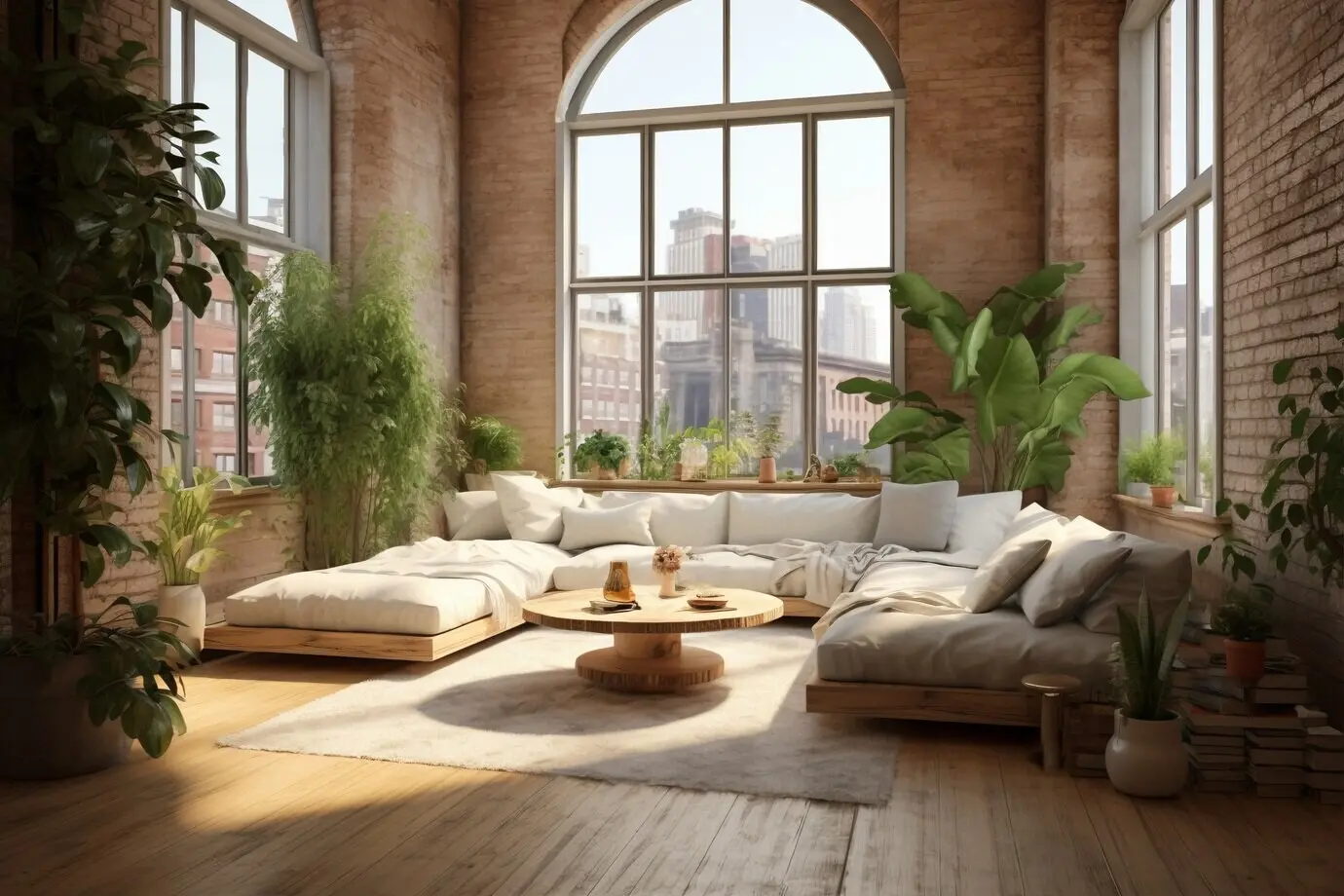
Light Without Heat

Bring daylight from high, shaded apertures that see bright sky, not direct sun. Clerestories with exterior overhangs send cool, diffuse light deep into rooms. Light shelves brighten ceilings and reduce contrast on work planes. Pair them with matte, light-colored surfaces to prevent sparkle and eye fatigue. Specify spectrally selective coatings that admit visible light while rejecting infrared load. The result feels crisp and alert, like stepping under a sunlit colonnade after a blinding plaza.
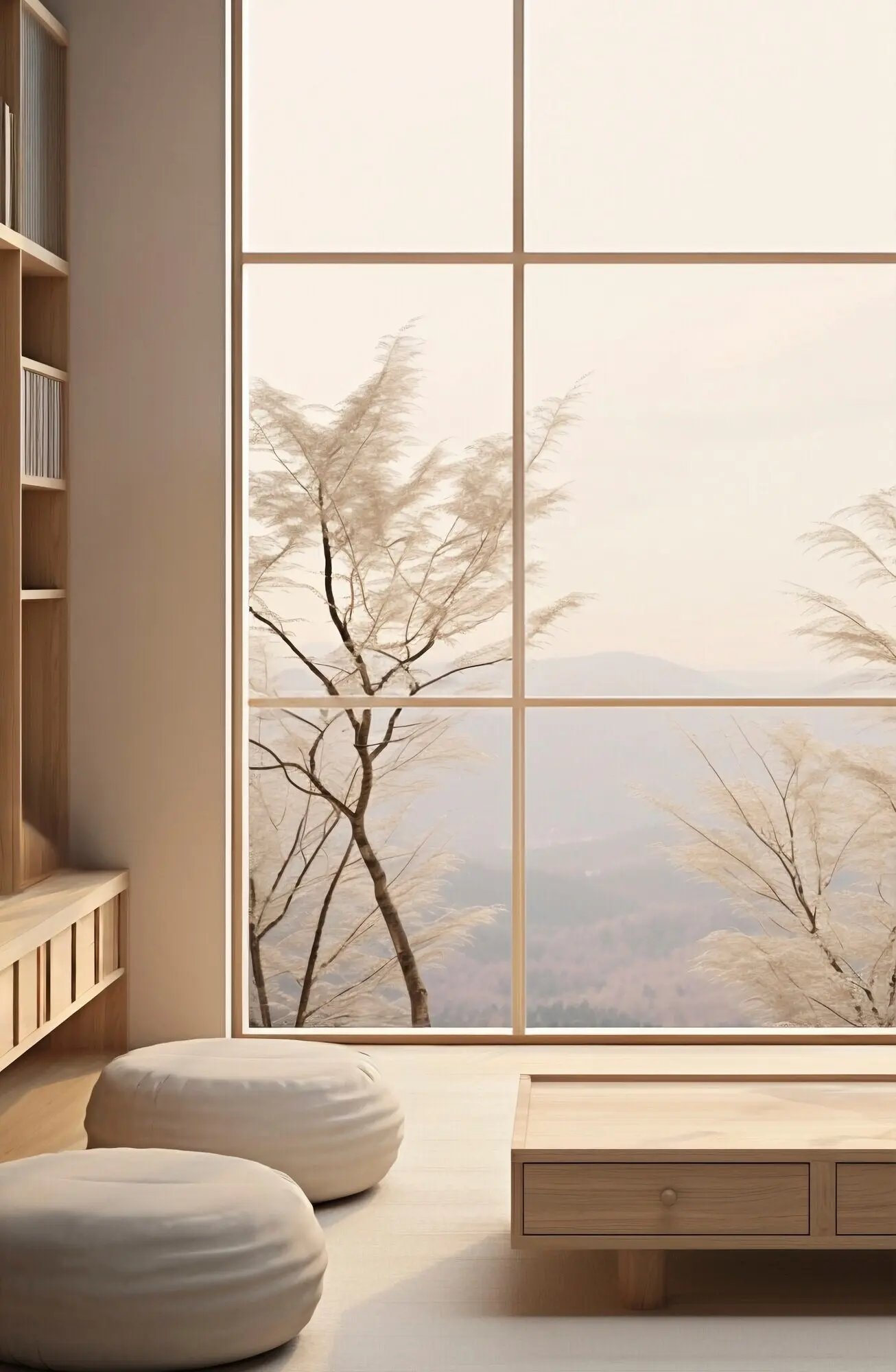
Night Flush, Day Shield

Hot-arid comfort improves when the building inhales at night and shields by day. Cross-ventilation purges heat from mass, resetting interiors before sunrise. By morning, exterior shading carries the workload, keeping radiant temperatures low. Operable louvers let you tune privacy and glare during clinic peak times or market rushes. Consider simple automation to close at dusk and open before dawn. Share your local night temperatures, and we’ll estimate if passive flushing can replace a fan cycle.

Warm-Humid Approaches: Diffuse Daylight with Airflow

In warm-humid regions, the challenge is not only heat but moisture and glare wrapped in lush brightness. Daylight should ride breezes, not block them. Emphasize continuous shade, operable louvers, and elevated, protected porches that filter sunlight before it reaches glass. Keep floor plates slender for cross-ventilation, favor north and south openings, and avoid broad, exposed west facades. Materials must endure salt, storm, and mildew while remaining easy to maintain. Comfort becomes a flowing, breathable light.

Cold and Continental: Welcoming Low Winter Sun

Cold regions invite solar gain but punish heat loss and glare bouncing off snow. The craft lies in capturing low southern light, storing warmth, and shutting the door on losses after dusk. Prioritize high-performance south glazing, tuned overhangs that admit winter sun yet block high summer angles, and insulated interior shades at night. Keep east and west windows modest, detail airtight frames, and manage reflections so winter brilliance uplifts without dazzling occupants during quiet work.

South Glass, High Performance

Select glazing with a favorable balance: higher solar heat gain to harvest winter sun, paired with low U-factor for reduced losses. Warm-edge spacers, insulated frames, and careful installation prevent icy drafts. A family cabin found that an evening pull-down cellular shade felt like adding another pane. Aim views toward bright snowfields sparingly, then temper with interior finishes that lower contrast. Done right, winter sunlight becomes gentle heat, not visual noise or energy penalty.

Overhangs Tuned for Solstice

Overhang depth can be sketched from simple sun angles: welcome low winter rays, block high summer glare. Start with local solar altitude at noon for solstices, then test on shoulder seasons. A modest eyebrow often works miracles, especially above large south windows. Add side fins when morning or afternoon glare sneaks around edges. Post your window height and sill-to-overhang distance, and we’ll suggest a ratio that earns winter glow while keeping July comfortable.

Glare, Snow, and Reflections

Snow turns the ground into a giant reflector, brightening ceilings while sometimes overpowering eyes. Angle interior surfaces to bounce light upward, not directly toward occupants. Consider micro-prismatic films or subtle interior louvers to redirect glare. A studio placed a pale, textured backsplash behind desks, easing contrast while preserving sparkle. Exterior trellises and shrubs can soften harsh reflections. By treating snow as a luminous partner, you keep the room cheerful and productive on short, cold days.

Deciduous Allies

Leafy canopies temper summer sun while letting winter light pass. Place trees to shade east and west facades, spacing for mature crowns and maintenance clearances. A neighborhood library planted fast-growing natives that now paint reading nooks with shifting patterns. Root barriers, permeable paving, and careful irrigation protect both architecture and trees. This living layer complements fixed overhangs, adding comfort that deepens each year. Share your site plan, and we’ll sketch probable summer shade lines together.

Interior Controls, Exterior Precision

Exterior devices stop heat before it crosses glass; interior controls fine-tune tasks and moods. Pair fixed overhangs with roller shades of different openness factors, giving occupants gentle control without constant fiddling. An office rotated meeting tables perpendicular to windows, then set upper blinds to bounce light onto ceilings. Complaints dropped, and screens became easier to read. Each layer plays a role: outside blocks, inside edits, and both together create calm, luminous workdays.

Metrics That Matter

Use daylight metrics as friendly guides, not rigid judges. Spatial Daylight Autonomy rewards useful daylight hours, while Annual Sunlight Exposure flags overbright patches tied to glare risks. Add Vertical Daylight Autonomy near walls where eyes live. Balance numbers with quick mockups, photographs, and occupant notes. A school tracked headaches before and after shading tweaks, watching ASE fall and smiles rise. Post your rough plan, and we’ll suggest a pocket-sized study you can run this week.

Details That Decide: Overhangs, Fins, Shelves, and Screens

Proportions That Protect and Illuminate

Start with clear goals: when to block, when to admit, how far to push light. Overhang depth relates to window height and target sun angles; fins target morning and afternoon challenges. Build a simple sunbox model, test at key dates, and photograph shadows. A housing project trimmed fin depth by twenty percent after trials, keeping views while cutting glare. Share your window dimensions and intended uses, and we’ll propose a first-pass proportion set to test.

Light Shelves for Deep Plans

Light shelves excel when ceilings are reflective and direct sun is tamed outside first. Their upper surface catches high brightness, sending it onto ceilings that then wash rooms evenly. Choose durable, matte, high-reflectance finishes to avoid hotspots. Pair with high clerestories or transoms for extra reach. An engineering studio gained uniform workplane light and turned off artificial lamps most mornings. These quiet devices prove that clever geometry can stretch daylight far beyond the façade.

Patterns and Cultural Craft

Screens can be performance tools and cultural storytellers. Perforations tuned to solar angles create dappled light that eases contrast while carrying neighborhood identity or craft traditions. Laser-cut metal, terracotta breeze blocks, woven reeds, or carved timber all shape luminous texture. A community center invited local artisans to design panels that modulate afternoon sun and celebrate heritage. The result is generous light, lower cooling load, and pride that shines brighter than any spotlight.
Viropentolivodari
Privacy Overview

This website uses cookies so that we can provide you with the best user experience possible. Cookie information is stored in your browser and performs functions such as recognising you when you return to our website and helping our team to understand which sections of the website you find most interesting and useful.