Work in the Light, Feel the Difference

Today we explore the health and wellbeing benefits of sunlit workspaces—how generous daylight tunes circadian rhythms, sharpens focus, eases stress, and even supports healthier sleep. Expect practical design ideas, relatable stories, and small experiments you can try today, wherever you work or study.

The Science of Light and Your Body

Biology loves daylight. Exposure to morning and midday light helps synchronize your internal clock, regulating cortisol and melatonin so you feel alert when you need to think and sleepy when it’s time to rest. Thoughtful sunlight also reduces stress, improves mood, and can reduce reliance on harsh, flickering artificial lighting.

Morning light, stronger focus

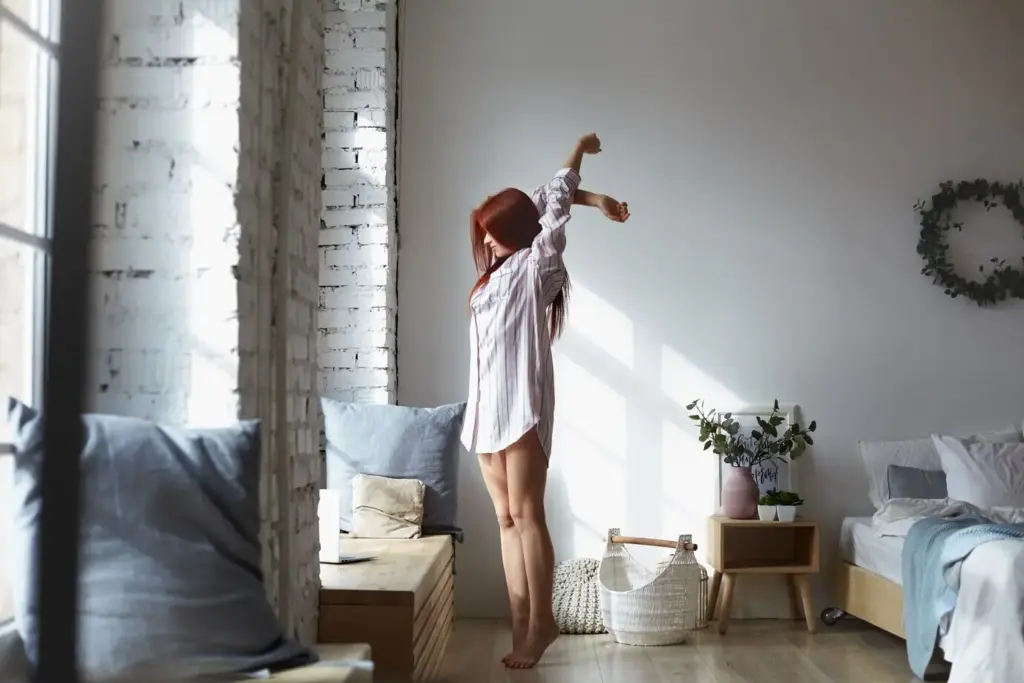
Even brief moments by a bright window after arriving set a clear signal to your brain: it’s time to engage. This cue tightens attention, tempers grogginess from poor sleep, and nudges sustained concentration, especially on tasks demanding memory, calculation, writing, or careful review.

Midday brightness, balanced hormones

Strong, diffuse daylight around lunch keeps cortisol peaking appropriately without spiking stress, while helping melatonin stay quiet until evening. The result feels like a clean, calm alertness that supports meetings, creative ideation, and deep work without jitters, heavy eyelids, or that restless urge to over‑caffeinate.

Calming afternoons without the crash

Late-day sun that is softened through shades or light shelves encourages a gentle taper in energy rather than a hard crash. As illumination warms and dims, your body prepares for recovery, paving the way for better sleep and a more refreshing tomorrow.

Designing Spaces That Welcome the Sun

Architecture can invite daylight deep into rooms without sacrificing comfort. Consider orientation, window-to-wall ratios, high-transmittance glass with selective coatings, light shelves, clerestories, and skylights that bounce rays across ceilings. Pair with adjustable shading and task lighting so brightness remains welcoming, consistent, and easy on eyes all day.

Comfort, Safety, and Energy Savings

Good light should feel effortless. Balanced daylight lowers visual strain, improves color rendering, and makes documents easier to parse. Blended with efficient LEDs on sensors, it trims energy bills and heat loads, while considerate shading prevents headaches, hotspots, and eye fatigue during long stretches of concentration.

Reduce eyestrain the right way

Place monitors perpendicular to windows to cut contrast, use larger default text, and soften sun with sheer blinds when needed. These small calibrations maintain clarity and brightness simultaneously, protecting comfort while preserving the invigorating presence of daylight beside your work.

Lower bills, lighter footprint

Daylight-responsive controls dim electric lights when the sun carries the load, cutting unnecessary wattage and cooling demand. That translates into leaner utility costs and a quieter conscience, proving comfort, productivity, and sustainability can cooperate beautifully in both home offices and large campuses.


Seasonal shifts, steady comfort

In winter, harvest low-angled light with reflective sills; in summer, block excess heat using exterior shading and night flush ventilation. The aim is consistency—pleasant brightness without glare—so your energy, posture, and mood stay even when clouds or heatwaves roll through.

Stories from Real Desks

Nothing persuades like lived experience. From studios that reoriented desks to schools that opened clerestories, people describe calmer mornings, clearer thinking, and easier evenings. These snapshots show how modest changes, intentional habits, and shared advocacy can turn ordinary rooms into uplifting, sun-washed places to thrive.

Claim the best spot you have

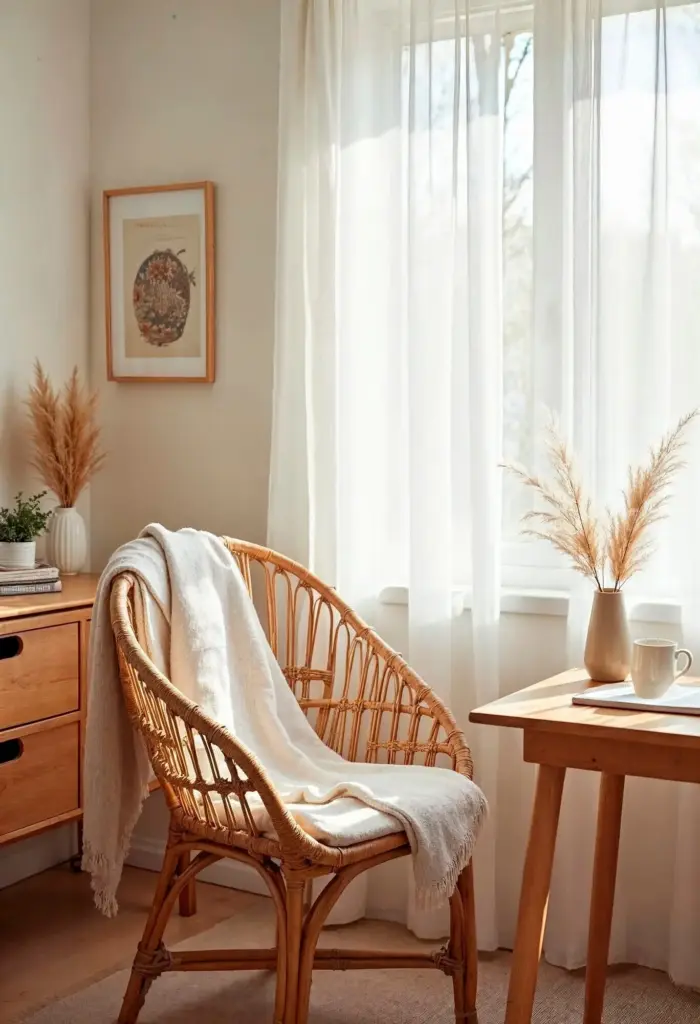
Try different corners at varied times to see where light feels stable and kind to your screen. Even a small move—turning ninety degrees, lifting a monitor, or sliding closer to the frame—can unlock a steady glow that nourishes attention and posture.

Tune the light on your screen

Use night-shift features, dark modes, and higher contrast during bright hours, then ease settings toward warmer tones later. This coordination with the sun preserves readability, calms eyes, and keeps your system from fighting the beautiful variability that daylight brings indoors.

Track what you can feel

Keep a short journal linking window time to focus, mood, and sleep. Pair it with occasional light readings and you’ll see patterns that move decisions from guesswork to confidence, guiding smarter seating choices, shade settings, and routines that honor your body clock.

Small experiments, big payoffs

Pilot simple changes for two weeks—swap a seat, add a sheer, schedule morning deep work—then review metrics and feelings. Iteration reveals what sticks, turning bright ideas into everyday habits that elevate health, teamwork, and creativity without drama or heavy budgets.
Viropentolivodari
Privacy Overview

This website uses cookies so that we can provide you with the best user experience possible. Cookie information is stored in your browser and performs functions such as recognising you when you return to our website and helping our team to understand which sections of the website you find most interesting and useful.